
In today’s fast-paced world, finding balance and inner peace has become more challenging yet more essential than ever. The journey to holistic wellness requires embracing practices that nurture not just your physical body, but your mind and spirit as well.

Spiritual wellness modalities offer transformative pathways to reconnect with your authentic self, release accumulated stress, and cultivate a profound sense of harmony. These ancient and modern practices provide practical tools to navigate life’s complexities while maintaining emotional balance and mental clarity. By integrating these powerful approaches into your daily routine, you can unlock deeper levels of consciousness and experience life with renewed vitality and purpose.
🌟 Understanding the Foundation of Spiritual Wellness
Spiritual wellness transcends religious boundaries and encompasses a broad spectrum of practices designed to connect you with something greater than yourself. This dimension of health focuses on finding meaning, purpose, and connection in life while developing a sense of inner peace that remains steady despite external circumstances.
The concept integrates seamlessly with mental and physical well-being, creating a holistic approach to health. When your spiritual wellness flourishes, you experience improved emotional regulation, enhanced resilience, and a greater capacity for compassion toward yourself and others. This foundation supports every aspect of your existence, from relationships to career satisfaction.
Modern research increasingly validates what ancient wisdom traditions have taught for millennia: spiritual practices produce measurable benefits for mental health, immune function, and overall life satisfaction. Neuroscience reveals how meditation reshapes brain structure, while studies on gratitude practices demonstrate tangible improvements in psychological well-being.
💫 Meditation: The Gateway to Inner Stillness
Meditation stands as perhaps the most accessible and scientifically validated spiritual wellness practice available today. This ancient technique involves training your attention and awareness to achieve mental clarity and emotional calm. Whether practiced for five minutes or an hour, meditation creates space between stimulus and response, allowing you to choose conscious reactions rather than automatic patterns.
Different meditation styles serve various purposes and personality types. Mindfulness meditation encourages present-moment awareness without judgment, helping you observe thoughts and sensations as they arise. Transcendental meditation uses mantras to settle the mind into profound rest. Loving-kindness meditation cultivates compassion and positive emotions toward yourself and others.
Beginning a meditation practice requires minimal resources—just a quiet space and willingness to sit with yourself. Start with brief sessions of five to ten minutes, gradually extending duration as comfort increases. Consistency matters more than length; daily practice yields cumulative benefits that transform your relationship with stress, anxiety, and emotional reactivity.
Practical Steps to Establish Your Meditation Practice
- Choose a consistent time and quiet location for daily practice
- Start with guided meditations using apps or online resources
- Focus on your breath as an anchor when thoughts wander
- Release judgment about “doing it right”—there’s no perfect meditation
- Track your practice to build momentum and notice subtle changes
- Join meditation groups or classes for community support and guidance
🧘 Yoga: Unifying Body, Mind, and Spirit
Yoga represents a comprehensive spiritual wellness system that integrates physical postures, breathing techniques, and meditation into a unified practice. Originating in ancient India, yoga philosophy teaches that body and mind exist as interconnected aspects of a single whole. Through consistent practice, you develop strength, flexibility, and balance while cultivating mental focus and emotional equanimity.
The physical asanas (postures) release tension stored in muscles and connective tissue, creating space for energy to flow freely throughout your body. This physical release often triggers emotional catharsis, as suppressed feelings surface and dissipate. Meanwhile, conscious breathing practices activate your parasympathetic nervous system, shifting you from stress response to relaxation mode.
Beyond the physical benefits, yoga provides a moving meditation that trains your awareness. By maintaining focus on breath and alignment, you practice presence—the same quality of attention that supports mindfulness in daily life. This integration of movement and awareness makes yoga particularly effective for those who struggle with seated meditation.
Exploring Different Yoga Styles for Your Needs
Hatha yoga offers gentle, foundational practices suitable for beginners and those seeking therapeutic benefits. Vinyasa creates flowing sequences synchronized with breath, building heat and cardiovascular fitness. Yin yoga involves long-held passive poses that target deep connective tissues and promote meditative states. Kundalini combines dynamic movements, breathing exercises, and chanting to awaken spiritual energy.
Selecting the right style depends on your current physical condition, personality, and wellness goals. Experiment with different approaches through classes, online videos, or workshops to discover what resonates with your body and spirit. Remember that yoga is a personal practice—modifications and variations ensure accessibility regardless of fitness level or flexibility.
🌿 Energy Healing: Balancing Your Vital Force
Energy healing modalities work with the subtle biofield that surrounds and permeates your physical body. These practices, including Reiki, acupuncture, crystal healing, and sound therapy, operate on the principle that disruptions in energy flow manifest as physical, emotional, or mental imbalances. By restoring harmonious energy circulation, these techniques support your body’s innate healing capacity.
Reiki, a Japanese technique, involves practitioners channeling universal life force energy through their hands to recipients. During sessions, many people experience profound relaxation, warmth, tingling sensations, or emotional releases. Regular Reiki treatments can reduce anxiety, improve sleep quality, and accelerate recovery from illness or injury.
Acupuncture, rooted in Traditional Chinese Medicine, uses fine needles inserted at specific points to regulate qi (vital energy) flowing through meridian pathways. This evidence-based practice effectively treats pain, digestive issues, hormonal imbalances, and stress-related conditions. The holistic diagnostic approach addresses root causes rather than merely suppressing symptoms.
Sound Healing and Vibrational Therapy
Sound healing harnesses vibrational frequencies to recalibrate your energetic system. Instruments like singing bowls, gongs, tuning forks, and drums produce tones that resonate with different body tissues and energy centers. These vibrations can shift brainwave states, release cellular tension, and induce deep meditative states that facilitate healing and insight.
Crystal healing utilizes the unique electromagnetic properties of minerals to influence your biofield. Practitioners place specific stones on or around the body to clear blockages, amplify intentions, or draw out negative energies. While scientific validation remains limited, many individuals report subjective benefits including enhanced clarity, emotional balance, and spiritual connection.
📿 Mindfulness Practices for Everyday Life
Mindfulness extends spiritual wellness beyond formal practice sessions into every moment of daily existence. This quality of non-judgmental present-moment awareness transforms ordinary activities into opportunities for cultivation and growth. By bringing full attention to whatever you’re doing—eating, walking, working, or conversing—you infuse life with richness and meaning.
Mindful eating involves savoring each bite, noticing flavors, textures, and sensations without distraction. This practice improves digestion, prevents overeating, and cultivates gratitude for nourishment. Walking meditation turns simple locomotion into contemplative practice, synchronizing steps with breath while observing sensory experiences and environmental details.
Body scan meditation systematically brings awareness to different body regions, releasing tension and developing interoceptive sensitivity. This practice enhances body literacy—your ability to recognize and interpret physical signals before they escalate into serious symptoms. Regular body scanning strengthens the mind-body connection essential for holistic wellness.
Integrating Mindfulness Throughout Your Day
- Begin mornings with three conscious breaths before checking devices
- Set hourly reminders to pause and assess your physical and emotional state
- Practice single-tasking rather than multitasking to enhance focus and effectiveness
- Create technology-free zones or times to reduce digital distraction
- End each day with gratitude reflection, noting three positive experiences
🙏 The Transformative Power of Gratitude and Affirmations
Gratitude practices rewire your brain toward positivity by training attention on abundance rather than scarcity. Neuroscience demonstrates that regular gratitude expression increases dopamine and serotonin production, enhancing mood and motivation. This simple practice counteracts the brain’s negativity bias—its evolutionary tendency to focus on threats and problems.
Maintaining a gratitude journal provides concrete evidence of life’s blessings during challenging periods. Daily writing about three to five things you appreciate cultivates positive emotional states and increases life satisfaction. The practice becomes particularly powerful when you include specific details and acknowledge often-overlooked aspects of daily life.
Affirmations are positive statements repeated regularly to reprogram subconscious beliefs and patterns. By consciously choosing empowering thoughts, you override limiting narratives acquired through past experiences. Effective affirmations use present tense, positive language, and emotional resonance. Examples include “I am worthy of love and respect” or “I trust my inner wisdom to guide me.”
🌙 Breathwork: Harnessing the Healing Power of Conscious Breathing
Breathwork encompasses various techniques that use conscious breathing patterns to influence physical, mental, and emotional states. Your breath serves as a bridge between voluntary and involuntary nervous system functions, providing direct access to stress regulation and emotional processing. Different breathing patterns produce distinct physiological and psychological effects.
Diaphragmatic breathing, also called belly breathing, activates the parasympathetic nervous system to promote relaxation and reduce cortisol levels. This foundational technique involves breathing deeply into your abdomen rather than shallowly into your chest. Practice by placing one hand on your belly, ensuring it rises with inhalation and falls with exhalation.
Box breathing creates mental clarity and emotional balance through equal-length phases of inhalation, hold, exhalation, and hold. Navy SEALs use this technique to maintain composure under extreme stress. Alternate nostril breathing, a yogic practice, balances left and right brain hemispheres while calming the nervous system and sharpening concentration.
Transformational Breathwork Sessions
Holotropic and rebirthing breathwork involve extended sessions of continuous connected breathing that can induce non-ordinary states of consciousness. These powerful modalities facilitate emotional release, trauma processing, and spiritual experiences. Due to their intensity, practice these techniques with trained facilitators who provide safe containers for deep inner work.
✨ Creating Your Personal Spiritual Wellness Routine
Building a sustainable spiritual wellness practice requires honest assessment of your needs, preferences, and available time. Rather than overwhelming yourself with ambitious goals, start small and expand gradually. Consistency with simple practices yields better results than sporadic engagement with complex routines you cannot maintain.
Design your routine around natural energy rhythms and existing schedule structures. Morning practices capitalize on the quiet clarity available after rest, setting positive intentions for the day ahead. Evening practices help you process experiences, release accumulated tension, and prepare for restorative sleep. Midday mini-practices provide reset opportunities during busy schedules.
Track your progress and experiences through journaling, noting how different practices affect your mood, energy, and overall well-being. This documentation helps you identify which modalities produce the most significant benefits for your unique constitution. Adjust your routine seasonally, as different practices may serve you better during various life phases or circumstances.
Sample Daily Spiritual Wellness Framework
| Time | Practice | Duration |
|---|---|---|
| Morning | Meditation and gratitude journaling | 15 minutes |
| Midday | Mindful breathing or brief walking meditation | 5 minutes |
| Afternoon | Yoga or movement practice | 20-30 minutes |
| Evening | Body scan, affirmations, or gentle breathwork | 10 minutes |
🌈 Overcoming Common Obstacles to Spiritual Practice
Resistance to spiritual practices often stems from misconceptions, time pressure, or discomfort with stillness. Many people believe they “can’t meditate” because thoughts arise during practice, not understanding that noticing thoughts represents successful meditation. Others feel guilty taking time for self-care, viewing spiritual practice as selfish indulgence rather than essential maintenance.
Time scarcity, while genuine for many, often reflects priorities rather than absolute constraints. Even three-minute practices scattered throughout the day accumulate meaningful benefits. The key lies in recognizing spiritual wellness as foundational rather than optional—comparable to brushing teeth or eating meals. When you prioritize these practices, you discover time that previously disappeared into less nourishing activities.
Discomfort during practice—whether physical, emotional, or mental—signals growth opportunities rather than failure. Sitting with difficult sensations or emotions builds distress tolerance and emotional resilience. Approach discomfort with curiosity rather than aversion, investigating sensations without immediately trying to change them. This approach transforms challenges into teachers.
💝 The Ripple Effect: How Personal Transformation Impacts Others
Your commitment to spiritual wellness creates positive changes that extend far beyond personal benefits. As you develop greater presence, compassion, and emotional regulation, your relationships naturally improve. You become less reactive, more empathetic, and better able to hold space for others’ experiences without feeling threatened or overwhelmed.
This transformation occurs through modeling rather than preaching. People notice your increased calm, clarity, and contentment, often becoming curious about the practices supporting these changes. Your energy shifts in subtle but perceptible ways, creating environments where others feel safer to explore their own inner landscapes.
Communities benefit when individuals prioritize spiritual wellness. Less reactive people contribute to reduced conflict and increased cooperation. Greater individual resilience means less demand on healthcare systems and support services. Expanded compassion fuels prosocial behavior, volunteerism, and social justice engagement. Your inner work becomes outer contribution.
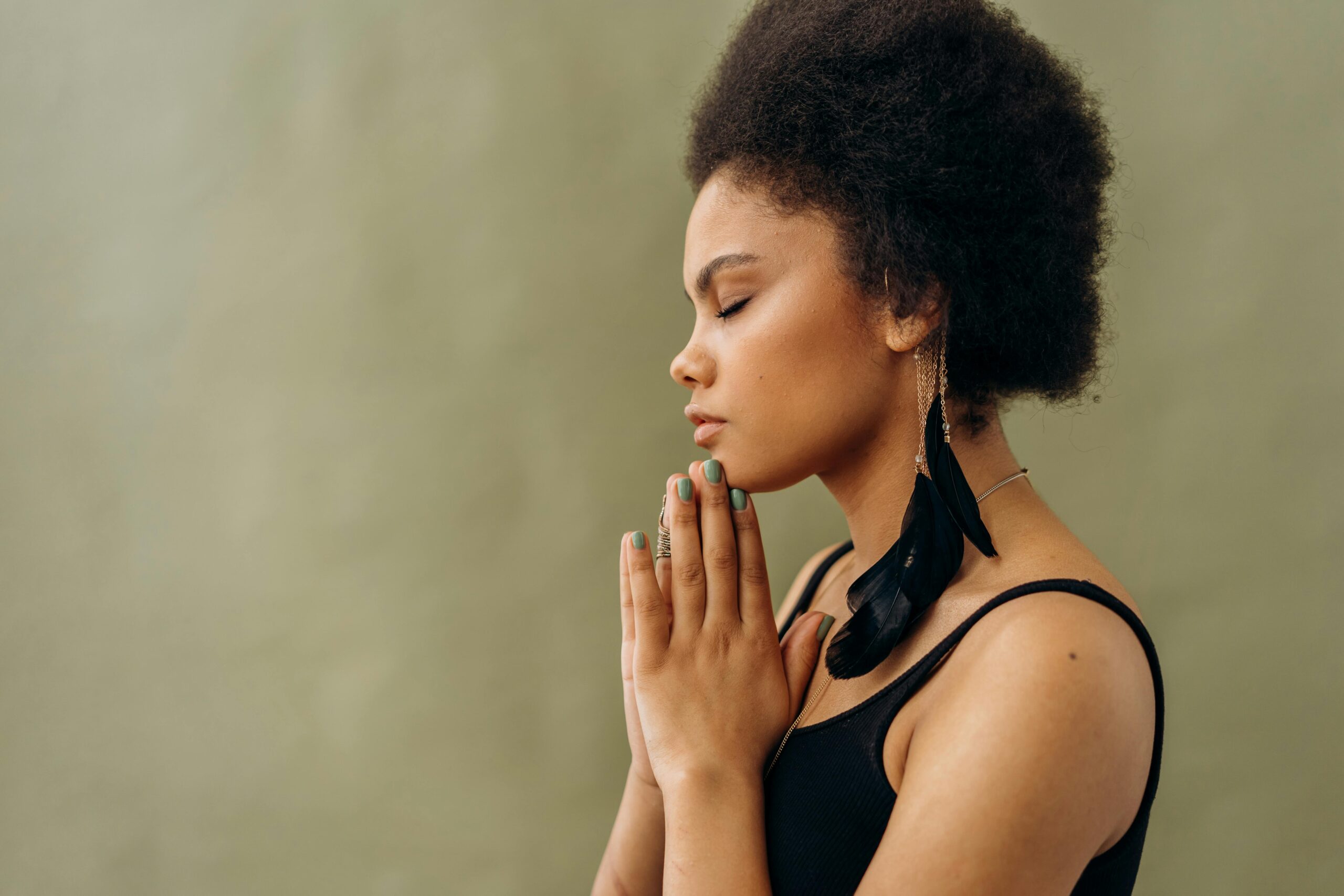
🔮 Embracing Your Unique Spiritual Path Forward
Spiritual wellness represents a deeply personal journey without predetermined destination or universal right way. The modalities discussed here offer entry points, but your authentic path emerges through experimentation, reflection, and trust in your inner guidance. Honor what resonates while releasing practices that feel forced or inauthentic, even if they work wonderfully for others.
Approach this journey with patience and self-compassion, recognizing that growth unfolds gradually through consistent engagement rather than dramatic breakthroughs. Some days your practice will feel effortless and illuminating; others will feel tedious or difficult. Both experiences contribute to your evolution. The commitment to show up regardless of immediate results cultivates the discipline and dedication that support lasting transformation.
Remember that spiritual wellness is not about achieving perfection or transcending your humanity. Rather, it involves developing a kinder, more conscious relationship with yourself and life. These practices help you meet each moment—whether joyful or challenging—with greater presence, wisdom, and grace. As you unlock inner harmony through dedicated practice, you discover that peace was never something to acquire but rather your essential nature waiting to be remembered and reclaimed.