
Living sustainably isn’t just about saving the planet—it’s about transforming your daily habits to create a healthier, more vibrant version of yourself. When you align your wellness journey with eco-conscious choices, you unlock a powerful synergy that benefits both your body and the Earth.

The connection between personal health and environmental stewardship runs deeper than most people realize. Every choice you make, from the food you eat to the products you use on your skin, creates ripples that extend far beyond your immediate surroundings. By embracing sustainable wellness habits, you’re not just reducing your carbon footprint; you’re investing in long-term vitality, mental clarity, and a profound sense of purpose that comes from living in harmony with nature.
🌱 Understanding the Sustainable Wellness Connection
Sustainable wellness represents a holistic approach that recognizes the interconnectedness of personal health and planetary health. This philosophy acknowledges that truly thriving means considering not just immediate benefits, but the long-term impact of our lifestyle choices on future generations and ecosystems worldwide.
When you choose organic, locally-sourced foods, you’re simultaneously nourishing your body with nutrient-dense ingredients while supporting agricultural practices that regenerate soil health and biodiversity. When you opt for natural beauty products free from harmful chemicals, you’re protecting both your skin’s delicate microbiome and waterways from toxic runoff. These dual benefits compound over time, creating exponential positive effects.
The sustainable wellness mindset shifts consumption patterns from extractive to regenerative. Instead of asking “What can I take?” it prompts us to consider “How can I contribute to the cycle of health?” This reframing transforms everyday activities into meaningful practices that align with our deepest values.
Nourishing Your Body While Respecting the Earth 🍃
Food choices represent one of the most impactful areas where personal wellness and environmental sustainability intersect. The modern industrial food system contributes significantly to greenhouse gas emissions, deforestation, and water pollution, while simultaneously producing nutrient-depleted foods that compromise our health.
Plant-Forward Eating for Dual Benefits
Transitioning toward a more plant-based diet stands as one of the most powerful actions you can take for both personal and planetary health. Research consistently shows that diets rich in whole plant foods reduce risks of chronic diseases including heart disease, diabetes, and certain cancers, while dramatically lowering environmental impact.
You don’t need to become strictly vegan overnight. Start by implementing “Meatless Mondays” or making plants the star of your meals while treating animal products as occasional accompaniments rather than centerpieces. Focus on legumes, whole grains, nuts, seeds, and abundant vegetables to create satisfying, nutrient-dense meals that leave you energized.
When you do choose animal products, prioritize quality over quantity. Grass-fed, pasture-raised, and wild-caught options from regenerative farms support better animal welfare, superior nutritional profiles, and farming practices that can actually sequester carbon and improve soil health.
Embracing Local and Seasonal Foods
Shopping at farmers’ markets and joining community-supported agriculture (CSA) programs connects you directly with food producers while dramatically reducing the carbon footprint associated with transportation and storage. Seasonal eating naturally diversifies your diet throughout the year, ensuring varied nutrient intake while supporting your body’s changing needs across different climates and times.
Local food systems also tend to preserve heirloom varieties and biodiversity that industrial agriculture has abandoned in favor of monoculture crops. These diverse plant varieties often contain richer phytonutrient profiles and unique flavors that make healthy eating genuinely exciting rather than restrictive.
💧 Sustainable Self-Care and Beauty Practices
The personal care industry generates enormous amounts of plastic waste while exposing consumers to potentially harmful chemicals that disrupt hormonal balance and accumulate in body tissues. Transitioning to sustainable beauty and hygiene routines protects your health while significantly reducing environmental impact.
Simplifying Your Product Lineup
The minimalist approach to personal care benefits both your wellness and the planet. Many conventional beauty products contain unnecessary ingredients that can irritate skin, disrupt the skin microbiome, or cause allergic reactions. By simplifying to multi-purpose, natural products with recognizable ingredients, you reduce exposure to questionable chemicals while cutting down on packaging waste.
Consider versatile staples like coconut oil (makeup remover, moisturizer, hair treatment), apple cider vinegar (toner, hair rinse), and shea butter (body moisturizer, lip balm). These simple ingredients offer remarkable versatility without the environmental burden of complex supply chains and excessive packaging.
Choosing Clean, Green Products
When you do purchase manufactured products, look for brands committed to transparency, sustainable sourcing, and minimal packaging. Certifications like USDA Organic, EWG Verified, and Leaping Bunny help identify products that meet rigorous standards for both ingredient safety and environmental responsibility.
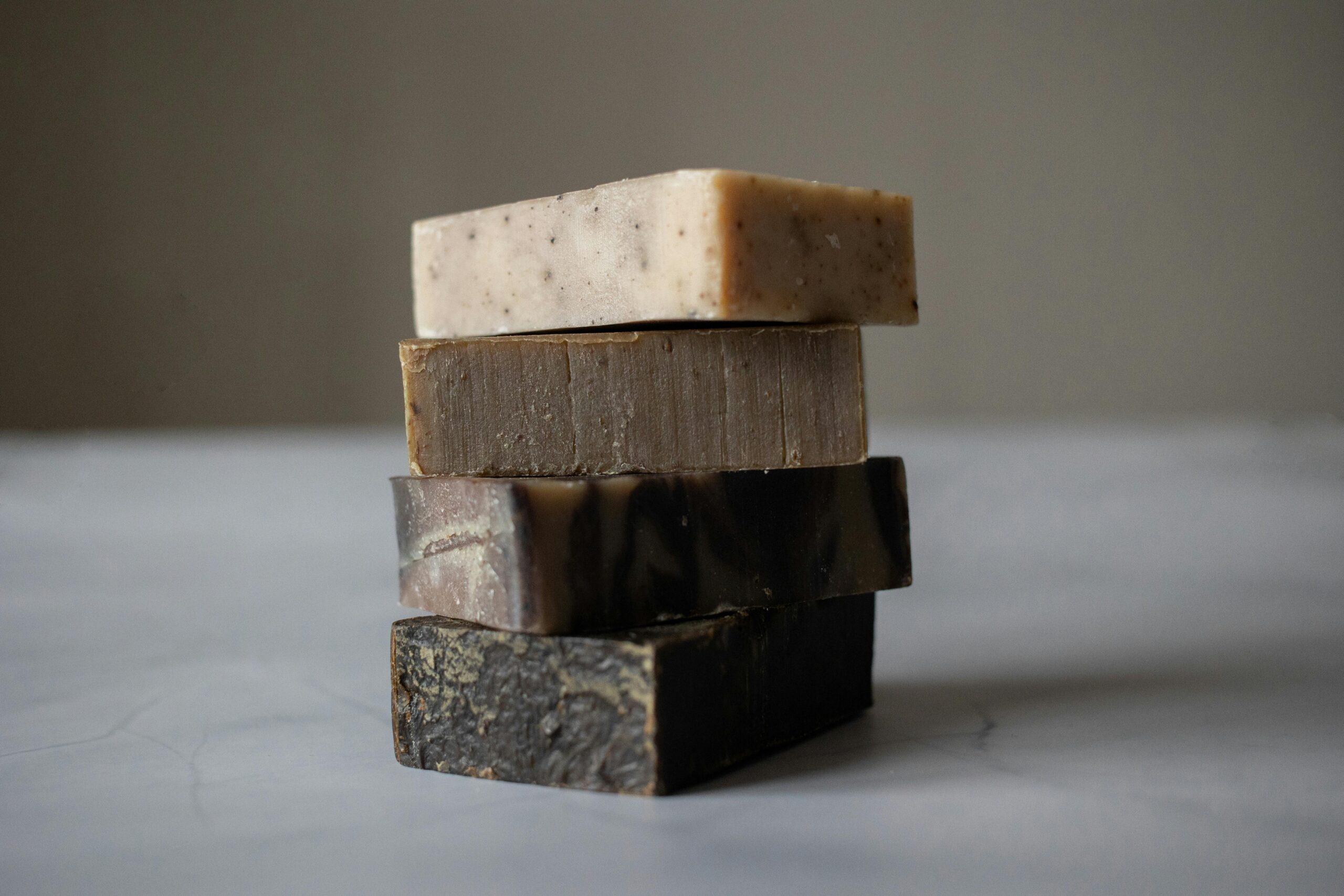
Solid products—shampoo bars, bar soaps, solid deodorants, and toothpaste tablets—eliminate the need for plastic bottles while often lasting longer than liquid equivalents, providing better value alongside environmental benefits. Many innovative brands now offer refillable options that further reduce packaging waste.
🏃♀️ Moving Your Body in Nature-Connected Ways
Physical activity represents a cornerstone of wellness, and how you approach exercise can either deepen or diminish your connection to the natural world. Sustainable fitness practices prioritize outdoor movement, minimal equipment, and activities that foster appreciation for the environment.
Outdoor Exercise Advantages
Taking your workout outside offers benefits no gym can replicate. Exposure to natural light regulates circadian rhythms, improving sleep quality and mood. Contact with diverse environmental microbes strengthens immune function. The psychological benefits of green spaces—reduced stress, enhanced creativity, improved focus—amplify the positive effects of exercise itself.
Activities like hiking, trail running, outdoor yoga, swimming in natural bodies of water, cycling, and outdoor bodyweight workouts require minimal equipment and zero electricity while providing varied, challenging workouts that engage stabilizing muscles often neglected in controlled gym environments.
Mindful Movement Practices
Practices like yoga, tai chi, and qigong cultivate mind-body awareness while requiring virtually no resources beyond your own body and perhaps a mat. These traditions emphasize quality of movement over quantity, teaching you to tune into subtle body signals and develop sustainable exercise habits that you can maintain throughout life without risk of burnout or injury.
Apps focused on mindful movement and outdoor activities can help you establish consistent practices. Look for platforms that encourage connection with nature and body awareness rather than simply tracking metrics.
🧘♂️ Mental Wellness Through Environmental Connection
The mental health benefits of sustainable living practices often surprise people. The intentionality required to make eco-conscious choices naturally cultivates mindfulness, while connecting with nature provides profound psychological restoration.
Nature as Medicine for the Mind
Extensive research documents nature’s therapeutic effects on mental health. Regular time in natural settings reduces symptoms of anxiety and depression, lowers cortisol levels, decreases rumination, and enhances overall life satisfaction. The Japanese practice of “forest bathing” (shinrin-yoku) has been shown to produce measurable improvements in immune function, blood pressure, and mood after just 15-20 minutes.
Making nature connection a non-negotiable part of your routine—whether through morning walks in a nearby park, gardening, or weekend wilderness excursions—provides consistent mental health support that complements other wellness practices. This connection also naturally deepens your motivation to protect natural spaces, creating a positive feedback loop.
Purpose and Values Alignment
Living according to your values generates profound psychological benefits. When your daily actions align with your concern for environmental and social wellbeing, you experience greater life satisfaction, sense of purpose, and resilience against stress. The cognitive dissonance that arises from knowing about environmental challenges while living in ways that contribute to them creates background anxiety that sustainable living practices help resolve.
🏠 Creating a Healthy, Sustainable Home Environment
Your living space profoundly impacts both your health and environmental footprint. Creating a home that supports wellness while minimizing ecological impact involves thoughtful choices about cleaning products, indoor air quality, energy use, and consumption patterns.
Non-Toxic Cleaning Solutions
Conventional cleaning products often contain harsh chemicals that compromise indoor air quality and pose health risks, particularly to children, pets, and those with respiratory conditions. Simple, natural alternatives like vinegar, baking soda, castile soap, and essential oils effectively clean most surfaces while eliminating exposure to toxic ingredients and reducing plastic packaging waste.
Plants also serve as natural air purifiers, removing volatile organic compounds while adding beauty and life to indoor spaces. Snake plants, pothos, spider plants, and peace lilies are particularly effective and easy to maintain even for novice plant parents.
Energy Consciousness and Resource Conservation
Reducing energy and water consumption benefits both your utility bills and the planet. Simple habits like switching to LED bulbs, unplugging devices when not in use, taking shorter showers, and fixing leaks quickly add up to significant impact over time. These practices cultivate mindfulness about resource use that extends into other life areas.
Investing in energy-efficient appliances, improving insulation, and exploring renewable energy options like solar panels represent larger-scale changes that dramatically reduce environmental impact while often providing long-term financial savings.
🌍 Building Community Through Sustainable Wellness
Sustainable wellness practices naturally foster community connection, one of the most overlooked but essential components of holistic health. Humans evolved to live in close-knit communities, and many modern health challenges stem partly from social isolation and disconnection.
Sharing Resources and Knowledge
Tool libraries, clothing swaps, community gardens, and skill-sharing workshops create opportunities to connect with neighbors while reducing consumption and waste. These interactions combat loneliness while building resilient local networks that can provide support during challenges.
Teaching others about sustainable wellness practices—whether through social media, community workshops, or simply conversations with friends—reinforces your own commitment while creating ripple effects that multiply impact far beyond your individual actions.
Supporting Ethical Businesses
Where you spend money represents a form of voting for the kind of world you want to see. Supporting businesses committed to environmental sustainability, fair labor practices, and community wellbeing helps build an economy that values people and planet alongside profit. Many of these businesses also offer superior products that genuinely support health better than conventional alternatives.
🔄 Making Sustainable Transitions Manageable
The scope of sustainable wellness might feel overwhelming, but transformation doesn’t require perfection or overnight change. Sustainable habits develop through gradual, manageable shifts that compound over time into dramatic lifestyle transformation.
Starting Small and Building Momentum
Choose one area to focus on initially—perhaps food, personal care products, or exercise habits. Make one or two specific changes and allow them to become comfortable before adding more. This approach prevents burnout while allowing you to learn and adapt, discovering what works specifically for your lifestyle and circumstances.
Celebrate progress rather than fixating on perfection. Every sustainable choice matters, and the occasional convenience-driven exception doesn’t negate the positive impact of consistent habits. Compassionate self-accountability proves far more effective than rigid perfectionism for long-term behavior change.
Tracking Progress Meaningfully
While obsessive metric tracking can become counterproductive, periodic reflection on your journey helps maintain motivation and identify areas for continued growth. Consider keeping a simple journal noting energy levels, mood, health improvements, and observations about your deepening connection with nature and community.
Many people find that the qualitative improvements—better sleep, clearer thinking, reduced anxiety, greater life satisfaction—ultimately matter more than quantifiable metrics, though seeing concrete reductions in waste production or increases in outdoor time can also provide satisfying evidence of meaningful change.
Thriving Forward: Your Sustainable Wellness Journey 🌟
Embracing sustainable wellness habits represents one of the most empowering choices you can make in our current moment. Rather than feeling paralyzed by global environmental challenges, you channel concern into concrete action that tangibly improves your daily life while contributing to collective solutions.
The beautiful paradox of sustainable wellness is that what benefits the planet almost invariably benefits personal health as well. Whole foods that regenerate ecosystems nourish your body more completely than processed alternatives. Natural movement outdoors provides superior physical and mental health benefits compared to indoor gym routines. Simple, non-toxic personal care products support skin health better than chemical-laden conventional options.
Your journey toward sustainable wellness becomes not a sacrifice but a reclamation—of health, vitality, purpose, and connection to the living world. Each choice to align your habits with both personal and planetary wellbeing strengthens your sense of agency and hope, powerful antidotes to the anxiety and helplessness that environmental awareness can sometimes trigger.
Start wherever you are, with whatever resources you currently have available. The perfect time to begin is now, and the most important step is simply the next one. Your healthier, more sustainable life awaits, benefiting not only you but the countless beings—human and otherwise—with whom we share this remarkable planet.