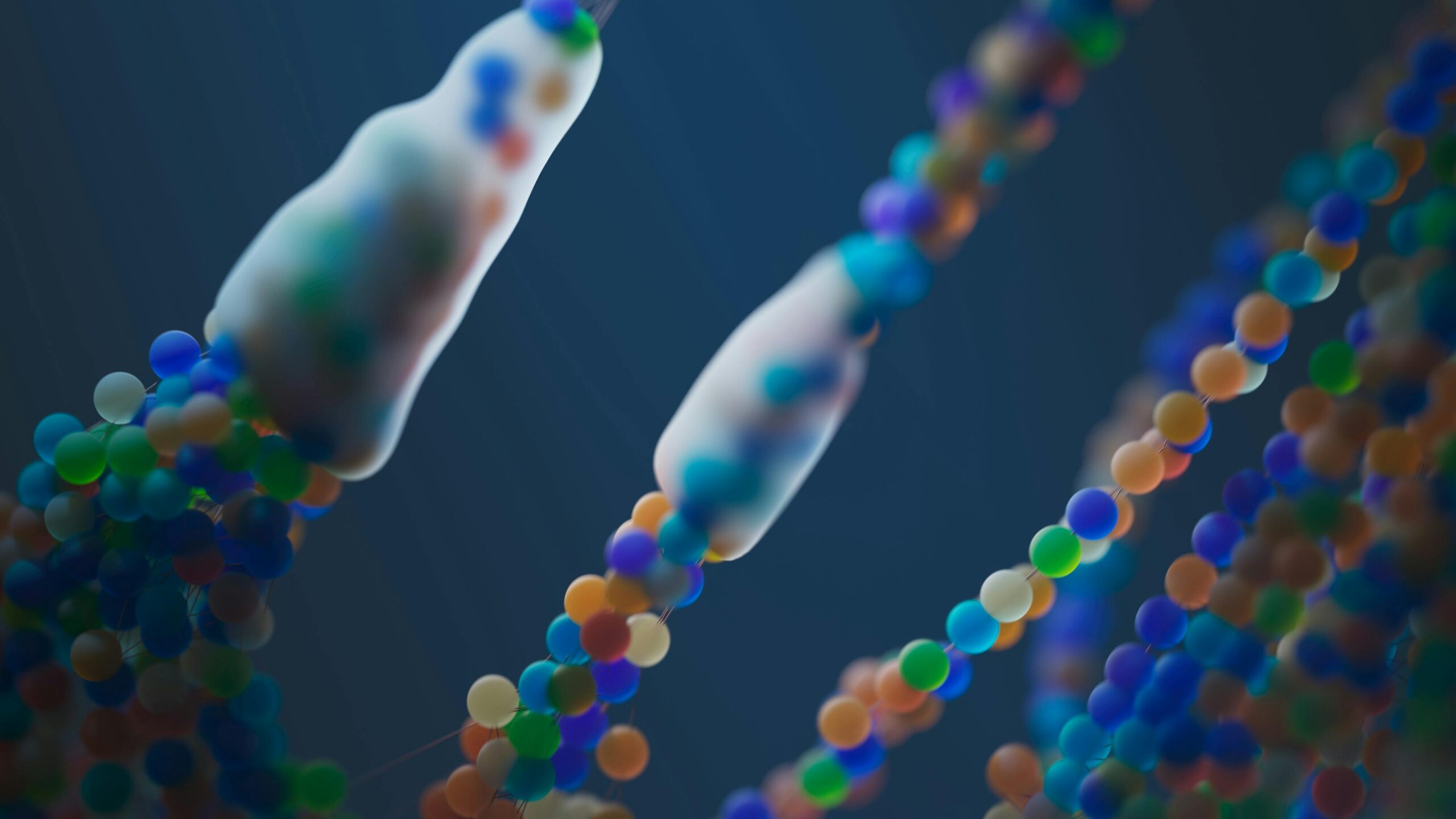
The quest for longevity has captivated humanity for millennia, but modern science is finally unlocking the genetic secrets that determine how long we live.

Genomic markers are emerging as powerful predictors of lifespan and vitality, offering unprecedented insights into the biological mechanisms of aging. By understanding these genetic blueprints, researchers are discovering pathways that could potentially extend not just our years, but our healthspan—the period of life spent in good health. This exploration into our DNA represents a paradigm shift in how we approach aging, moving from reactive medicine to proactive, personalized longevity strategies.
🧬 The Genomic Revolution in Longevity Science
The human genome contains approximately 20,000 genes, but only a fraction directly influences how we age. Scientists have identified specific genomic markers—variations in DNA sequences—that correlate strongly with exceptional longevity. These markers serve as biological signposts, indicating predisposition to longer life or increased vulnerability to age-related diseases.
Recent genome-wide association studies (GWAS) involving centenarians and supercentenarians have revealed compelling patterns. Individuals who live past 100 years often share specific genetic variants that protect against cardiovascular disease, neurodegenerative conditions, and metabolic disorders. These findings suggest that longevity isn’t merely about avoiding disease but involves active genetic mechanisms that promote cellular resilience.
The discovery of longevity-associated genes like FOXO3, APOE, and CETP has transformed our understanding of aging. FOXO3, for instance, regulates cellular stress resistance and has been consistently linked to exceptional longevity across multiple populations worldwide. This genetic marker appears to enhance the body’s ability to repair damaged cells and resist oxidative stress—key factors in the aging process.
Telomeres: The Biological Clock Within Our Cells
Telomeres represent one of the most studied genomic markers of aging. These protective caps at the ends of chromosomes shorten with each cell division, essentially functioning as a biological clock. When telomeres become critically short, cells enter senescence or die, contributing to tissue aging and dysfunction.
Research has demonstrated that telomere length varies significantly among individuals and correlates with both chronological age and biological age. People with longer telomeres at a given age tend to have lower rates of age-related diseases and often enjoy extended healthspans. Genetic variants affecting telomerase—the enzyme that maintains telomere length—have been identified as important longevity markers.
Interestingly, lifestyle factors significantly influence telomere dynamics. Chronic stress, poor diet, and sedentary behavior accelerate telomere shortening, while regular exercise, stress management, and healthy nutrition can slow this process. This interaction between genes and environment highlights the modifiable nature of some genomic aging markers.
⚕️ Key Genetic Pathways That Determine Lifespan
Several fundamental biological pathways emerge repeatedly in longevity research. Understanding these pathways reveals how genomic markers translate into actual lifespan differences and provides targets for interventions aimed at extending healthy years.
The Insulin/IGF-1 Signaling Pathway
The insulin and insulin-like growth factor 1 (IGF-1) signaling pathway stands out as one of the most evolutionarily conserved determinants of lifespan. Reduced signaling through this pathway has been shown to extend lifespan in organisms ranging from worms to mammals. In humans, genetic variants that modulate this pathway associate with exceptional longevity.
Centenarian studies have identified specific polymorphisms in IGF-1 receptor genes that correlate with extended lifespan. These variants appear to fine-tune the balance between growth, reproduction, and cellular maintenance—shifting resources toward longevity-promoting repair mechanisms rather than rapid growth and reproduction.
mTOR and Nutrient Sensing Mechanisms
The mechanistic target of rapamycin (mTOR) pathway integrates signals about nutrient availability and cellular energy status. This ancient pathway determines whether cells prioritize growth and division or maintenance and repair. Genetic variations affecting mTOR activity have been linked to differences in aging rates and disease susceptibility.
Caloric restriction—one of the most reliable interventions for extending lifespan across species—works largely through mTOR inhibition. Individuals with genetic variants that naturally moderate mTOR activity may experience some benefits similar to caloric restriction without necessarily reducing food intake. This discovery has sparked interest in pharmacological mTOR modulators as potential longevity therapeutics.
Inflammation and Immune System Regulation
Chronic low-grade inflammation, termed “inflammaging,” accelerates aging and increases vulnerability to age-related diseases. Genomic markers in genes controlling inflammatory responses strongly predict longevity outcomes. Centenarians often carry genetic variants that dampen excessive inflammation while maintaining robust immune function against pathogens.
The balance between pro-inflammatory and anti-inflammatory signaling proves crucial. Too much inflammation damages tissues, but too little impairs defense mechanisms. Longevity-associated genetic profiles typically show enhanced resolution of inflammation rather than simple suppression, allowing for appropriate immune responses without chronic tissue damage.
🔬 Epigenetics: The Dynamic Layer of Genomic Regulation
Beyond the static DNA sequence, epigenetic modifications represent a dynamic layer of genomic information that profoundly influences aging. These chemical marks on DNA and histones regulate gene expression without changing the underlying genetic code, and they shift dramatically throughout life.
DNA methylation patterns serve as particularly powerful biomarkers of biological age. Scientists have developed “epigenetic clocks” that predict biological age with remarkable accuracy by analyzing methylation levels at specific genomic sites. These clocks often reveal discrepancies between chronological and biological age, identifying individuals who age faster or slower than average.
The Horvath clock and GrimAge represent breakthrough epigenetic aging metrics. GrimAge, in particular, predicts not just age but mortality risk and healthspan, incorporating information about smoking history, immune cell composition, and metabolic health encoded in methylation patterns. Individuals whose GrimAge significantly exceeds their chronological age face elevated risks for age-related diseases and shortened lifespan.
Reversing Epigenetic Aging
The encouraging news about epigenetic aging markers is their potential reversibility. Unlike DNA sequence variants, epigenetic modifications respond to environmental inputs and lifestyle interventions. Studies have documented epigenetic age reversal through comprehensive lifestyle programs combining diet, exercise, stress reduction, and sleep optimization.
Experimental interventions using cellular reprogramming factors have demonstrated dramatic epigenetic rejuvenation in laboratory settings. While human applications remain experimental, these findings suggest that biological age isn’t fixed but represents a modifiable target for therapeutic intervention.
🌍 Population Genomics and Longevity Hotspots
Certain geographic regions—termed “Blue Zones”—boast exceptional concentrations of centenarians. These include Okinawa (Japan), Sardinia (Italy), Ikaria (Greece), Nicoya Peninsula (Costa Rica), and Loma Linda (California). Genomic studies of these populations reveal fascinating insights into genetic contributions to longevity.
While lifestyle factors undoubtedly contribute to Blue Zone longevity, genetic analyses have identified population-specific variants enriched among long-lived individuals. The Sardinian population, for example, shows unique genetic adaptations related to inflammation control and lipid metabolism that may contribute to their remarkable longevity.
Interestingly, these studies demonstrate that no single genetic profile guarantees exceptional longevity. Instead, multiple pathways can lead to the same outcome, suggesting that humans have evolved diverse genetic strategies for maximizing lifespan depending on environmental and cultural contexts.
💡 Translating Genomic Knowledge into Personal Longevity Strategies
The practical application of genomic longevity research is advancing rapidly. Direct-to-consumer genetic testing now offers insights into individual longevity-related genetic variants, though interpretation requires nuance and scientific literacy.
Personalized Medicine and Precision Aging Interventions
Understanding one’s genomic profile enables personalized approaches to health optimization. For instance, individuals carrying APOE4 variants—associated with increased Alzheimer’s risk—might prioritize cognitive health interventions, regular cardiovascular exercise, and Mediterranean-style diets that specifically mitigate this genetic vulnerability.
Similarly, those with genetic variants affecting vitamin D metabolism, folate processing, or caffeine metabolism can adjust nutritional strategies accordingly. This precision approach moves beyond one-size-fits-all recommendations toward interventions matched to individual genetic architecture.
Actionable Lifestyle Modifications Based on Genomic Insights
Despite genetic predispositions, lifestyle factors remain powerfully influential. Even individuals without optimal longevity-associated genetic variants can significantly extend healthspan through evidence-based behaviors:
- Regular physical activity: Exercise influences gene expression, upregulating longevity-promoting pathways regardless of baseline genetics
- Optimized nutrition: Dietary patterns affect epigenetic marks, telomere maintenance, and inflammatory status
- Stress management: Chronic stress accelerates cellular aging through multiple genomic mechanisms
- Social connections: Strong relationships correlate with positive epigenetic profiles and extended lifespan
- Quality sleep: Sleep deprivation disrupts circadian gene expression patterns essential for cellular maintenance
- Cognitive engagement: Mental stimulation promotes neuroplasticity and may buffer against genetic dementia risk
🚀 Future Frontiers in Genomic Longevity Research
The field of longevity genomics is evolving at an extraordinary pace. Emerging technologies promise even deeper insights into the genetic architecture of aging and novel interventions to extend healthy human lifespan.
CRISPR and Genetic Engineering for Longevity
Gene editing technologies like CRISPR-Cas9 offer theoretical possibilities for modifying longevity-related genes. While human germline editing remains ethically contentious and technically premature, somatic cell editing—modifying genes in specific tissues—presents more immediate therapeutic potential for age-related diseases.
Research in animal models has demonstrated lifespan extension through targeted genetic modifications. Translating these findings to humans requires overcoming substantial technical and safety challenges, but the theoretical foundation exists for genetic interventions that could meaningfully extend healthspan.
Artificial Intelligence and Genomic Longevity Prediction
Machine learning algorithms are revolutionizing how we analyze complex genomic data. AI systems can identify patterns across millions of genetic variants, environmental factors, and health outcomes—detecting longevity-relevant relationships too subtle for traditional statistical methods.
These computational approaches are generating increasingly accurate predictions of individual aging trajectories and disease risks. As datasets expand and algorithms improve, personalized longevity medicine will become progressively more precise and actionable.
Senolytics and Genomically-Targeted Therapies
Senescent cells—aged cells that stop dividing but resist death—accumulate with age and promote tissue dysfunction through inflammatory secretions. Senolytic drugs that selectively eliminate these cells represent a promising therapeutic approach grounded in understanding the genomic regulation of cellular senescence.
Clinical trials are evaluating whether periodic senolytic treatments can improve healthspan markers in humans. Early results suggest benefits for specific age-related conditions, though long-term efficacy and safety require further investigation.
🎯 Integrating Genomic Insights With Holistic Health
While genomic markers provide powerful insights, longevity ultimately emerges from the interaction between genes, environment, behavior, and chance. A balanced perspective recognizes both the value and limitations of genetic information.
Genetic determinism—the belief that DNA destiny is fixed—contradicts modern understanding of gene-environment interactions. Most longevity-related genetic variants confer modest effects that can be substantially modified by lifestyle choices. Even those without optimal genetic profiles can achieve impressive healthspan through consistent health-promoting behaviors.
Conversely, favorable genetics don’t guarantee longevity without corresponding lifestyle support. Centenarian studies reveal that even individuals with exceptional genetic endowment benefit from healthy behaviors, while poor lifestyle choices can negate genetic advantages.
🌟 Empowering Individuals Through Genomic Literacy
As genomic testing becomes more accessible and affordable, improving public understanding of genetic information becomes increasingly important. Genomic literacy empowers individuals to interpret their results accurately, avoiding both unwarranted fatalism about unfavorable variants and false security about protective ones.
Genetic counseling plays a valuable role in helping individuals understand complex genomic information within appropriate context. Professional guidance helps translate raw genetic data into actionable health strategies while managing psychological impacts of learning about genetic vulnerabilities.
The democratization of genomic information represents both opportunity and responsibility. With knowledge comes the capacity for proactive health management, but also the need for scientific rigor and ethical consideration in how we apply genetic insights.
Embracing Our Genetic Blueprint While Writing Our Own Story
Genomic markers illuminate the biological foundations of longevity, revealing pathways and processes that determine how we age. This knowledge transforms aging from an inevitable decline into a modifiable biological process with multiple intervention points. The genetic variants we inherit establish starting conditions, but lifestyle choices, environmental factors, and medical interventions continuously reshape our aging trajectory.
The most exciting revelation from longevity genomics isn’t that genes determine destiny, but that we possess considerable agency in expressing our genetic potential. Telomeres respond to stress management and exercise. Epigenetic marks shift with dietary changes and sleep quality. Inflammatory pathways modulate based on social connections and purposeful living. Our genomic blueprint provides the raw materials, but we remain the architects of our own longevity.
As research advances and technologies evolve, the integration of genomic insights with personalized medicine will continue expanding our capacity to live longer, healthier lives. The secrets to longevity encoded in our DNA are gradually being unlocked—not to reveal a fixed fate, but to illuminate pathways toward vitality that we can actively pursue throughout our lives.