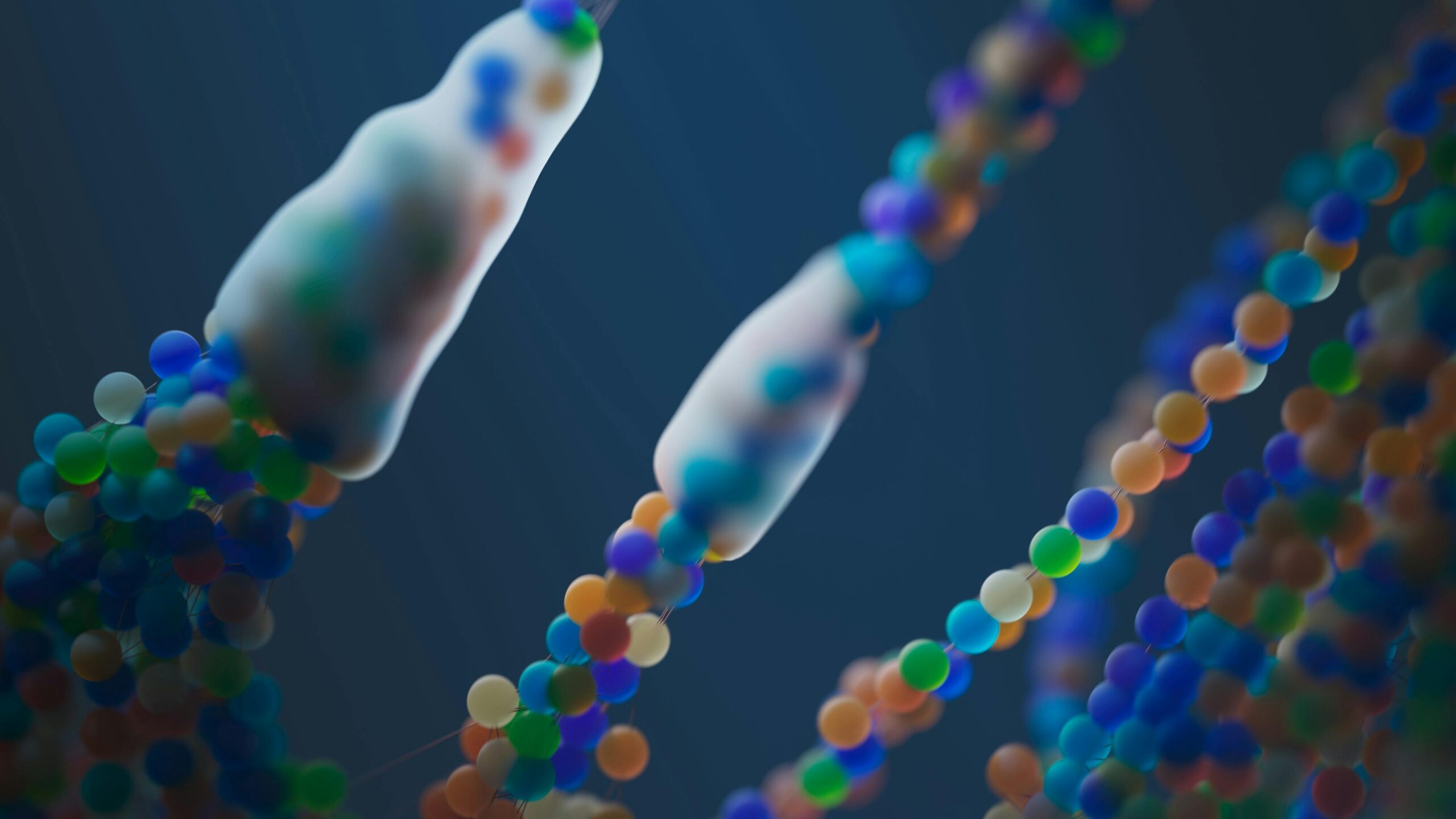
Healthcare is entering a revolutionary era where predictive technology meets personalized medicine, creating unprecedented opportunities to save lives and enhance wellbeing for millions worldwide. 🌟

The days of one-size-fits-all medical treatments are rapidly becoming obsolete. We’re witnessing a transformative shift toward healthcare systems that understand each person as a unique biological entity, with distinct genetic markers, lifestyle patterns, and health risks. This evolution represents more than technological advancement—it signifies a fundamental reimagining of how we approach human health and longevity.
Predictive personalized care harnesses the power of artificial intelligence, genomics, wearable technology, and big data analytics to anticipate health challenges before they manifest into serious conditions. By analyzing millions of data points from individual patients, healthcare providers can now create tailored prevention strategies and treatment plans that align perfectly with each person’s biological makeup and life circumstances.
🔬 The Science Behind Predictive Personalized Healthcare
Predictive personalized care stands on several pillars of modern medical science. At its foundation lies genomic sequencing technology that has become exponentially more affordable and accessible. What once cost millions of dollars and took years to complete can now be accomplished in days for a few hundred dollars.
Machine learning algorithms process vast quantities of health data—from electronic medical records to real-time biosensor readings—to identify patterns invisible to human observation. These sophisticated systems can detect subtle changes in biomarkers that indicate disease progression months or even years before traditional diagnostic methods would catch them.
Advanced imaging technologies, combined with artificial intelligence, enable clinicians to spot microscopic abnormalities in tissues and organs. Meanwhile, continuous monitoring devices track everything from heart rate variability to blood glucose levels, creating comprehensive health profiles that evolve in real-time.
Genomics: Your Personal Health Blueprint
Your DNA contains approximately 3 billion base pairs that influence everything from your predisposition to certain diseases to how you metabolize medications. Genomic analysis can identify specific genetic variants that increase risk for conditions like cardiovascular disease, various cancers, diabetes, and neurological disorders.
This knowledge empowers both patients and healthcare providers to implement proactive strategies. Someone with genetic markers indicating high cholesterol production might adopt specific dietary interventions decades before problems arise. Individuals with BRCA gene mutations can make informed decisions about enhanced screening or preventive procedures.
Biometric Data: The Continuous Health Narrative
Modern wearable devices have transformed from simple step counters into sophisticated medical monitoring tools. These devices track heart rhythm irregularities, blood oxygen saturation, sleep quality, stress levels, and numerous other physiological parameters throughout daily life.
When integrated with predictive analytics platforms, this continuous stream of biometric data creates an unprecedented window into individual health status. Algorithms can detect emerging patterns that signal potential health issues, triggering early interventions that prevent complications.
🎯 Transforming Disease Prevention Through Prediction
The most profound impact of predictive personalized care lies in its preventive capabilities. Rather than waiting for diseases to develop and then treating symptoms, this approach identifies risks early and implements targeted prevention strategies customized to individual vulnerability profiles.
Cardiovascular disease, the leading cause of death globally, exemplifies this preventive potential. Traditional risk assessment uses broad population statistics—age, gender, cholesterol levels, blood pressure. Predictive personalized approaches incorporate genetic factors, inflammatory markers, microbiome composition, stress patterns, and dozens of other variables to create highly accurate individual risk profiles.
Cancer detection represents another frontier where predictive care demonstrates remarkable promise. Liquid biopsy technologies can now identify circulating tumor DNA in blood samples, detecting cancers at incredibly early stages when treatment outcomes are dramatically better. Combined with genetic predisposition analysis and continuous monitoring, these tools enable surveillance protocols perfectly calibrated to individual risk levels.
Chronic Disease Management Revolutionized
For the millions living with chronic conditions like diabetes, hypertension, or autoimmune disorders, predictive personalized care offers life-changing improvements in disease management. Rather than following standardized treatment protocols, patients receive interventions optimized for their specific disease presentation and response patterns.
Diabetes management exemplifies this transformation. Continuous glucose monitors combined with predictive algorithms can forecast blood sugar fluctuations hours in advance, allowing patients to make proactive adjustments to food intake, medication, or activity. These systems learn individual response patterns, becoming increasingly accurate over time.
💊 Precision Medicine: The Right Treatment for the Right Person
Pharmacogenomics—the study of how genes affect drug response—represents a crucial component of personalized care. Genetic variations can dramatically influence how individuals metabolize medications, affecting both efficacy and side effect profiles.
Some people possess genetic variants that make them ultra-rapid metabolizers of certain drugs, requiring higher doses for therapeutic effect. Others are poor metabolizers who experience toxic accumulations at standard doses. Predictive testing identifies these variations before prescribing, eliminating dangerous trial-and-error approaches.
Cancer treatment has particularly benefited from precision medicine approaches. Tumor genomic profiling identifies specific molecular characteristics driving cancer growth, enabling selection of targeted therapies that attack those particular mechanisms while sparing healthy tissues. This approach has transformed outcomes for many cancer types that were previously difficult to treat effectively.
Avoiding Adverse Drug Reactions
Adverse drug reactions cause millions of hospitalizations annually and represent a significant healthcare burden. Predictive personalized approaches can dramatically reduce these incidents by identifying patients at high risk for specific reactions based on their genetic profiles and other biological factors.
Testing for variants in genes like CYP2C19, CYP2D6, and TPMT before prescribing certain medications can prevent serious complications. This proactive approach not only improves patient safety but also reduces healthcare costs associated with treating adverse reactions.
🌐 Digital Health Platforms: Orchestrating Personalized Care
The delivery of predictive personalized care requires sophisticated digital infrastructure that integrates diverse data sources, applies analytical algorithms, and presents actionable insights to both patients and providers. Modern health platforms serve as command centers for this complex ecosystem.
These platforms aggregate data from electronic health records, genetic testing services, wearable devices, patient-reported outcomes, and environmental factors. Advanced analytics engines process this information continuously, generating personalized health recommendations, early warning alerts, and optimized treatment suggestions.
Patient engagement features empower individuals to take active roles in their health management. Interactive dashboards present complex health data in understandable formats, educational resources explain personalized risks and recommendations, and communication tools facilitate seamless interaction with care teams.
Artificial Intelligence: The Analytical Powerhouse
Artificial intelligence serves as the cognitive engine driving predictive capabilities. Deep learning neural networks trained on millions of patient cases can identify subtle patterns linking specific combinations of genetic, behavioral, and environmental factors to disease outcomes.
These AI systems continuously improve their predictive accuracy through machine learning, incorporating new research findings and real-world outcomes data. Natural language processing capabilities enable them to extract insights from unstructured medical notes, research literature, and patient communications, creating comprehensive understanding of individual health contexts.
🏥 Transforming Healthcare Delivery Models
Predictive personalized care necessitates fundamental changes in how healthcare is organized and delivered. Traditional reactive models centered on episodic acute care encounters must evolve into proactive longitudinal relationships focused on continuous optimization of individual health.
Value-based care models align perfectly with personalized approaches. When healthcare organizations are rewarded for keeping people healthy rather than treating diseases, they have strong incentives to invest in predictive technologies and preventive interventions. This alignment drives system-wide transformation.
Care coordination becomes increasingly important as personalized approaches often involve multidisciplinary teams—genetic counselors, nutritionists, behavioral health specialists, pharmacists, and physicians working collaboratively. Digital platforms facilitate this coordination, ensuring all team members access consistent information and contribute to unified care plans.
Democratizing Access to Advanced Care
While cutting-edge personalized care might seem accessible only to privileged populations, digital delivery models actually have potential to democratize access. Telemedicine platforms can connect patients in underserved areas with specialized expertise anywhere in the world. Mobile health applications bring sophisticated monitoring and guidance capabilities to anyone with a smartphone.
As predictive technologies mature and scale, costs continue declining, making them increasingly accessible to broader populations. Public health initiatives are beginning to incorporate personalized approaches, recognizing their potential to reduce overall healthcare burdens through effective prevention.
🔐 Navigating Privacy and Ethical Considerations
The collection and analysis of extensive personal health data raises important privacy concerns that must be addressed thoughtfully. Robust data security measures, transparent consent processes, and clear governance frameworks are essential for building trust in personalized healthcare systems.
Genetic information presents particular sensitivities. Knowledge of disease predispositions can create psychological burdens, and there are legitimate concerns about potential discrimination by insurers or employers. Strong legal protections and ethical guidelines must accompany technological capabilities.
Questions about data ownership and control require careful consideration. Individuals should maintain rights over their health data while enabling appropriate use for care delivery and research advancement. Blockchain technologies and other innovations may offer solutions that balance these interests.
Ensuring Algorithmic Fairness
AI algorithms reflect the data on which they’re trained. If training datasets lack diversity, resulting models may perform poorly for underrepresented populations, potentially exacerbating healthcare disparities. Intentional efforts to ensure diversity in research populations and algorithmic validation across demographic groups are crucial.
Transparency in how algorithms make predictions and recommendations helps build appropriate trust while enabling detection of potential biases. Healthcare organizations implementing predictive systems must monitor their performance across different population segments continuously.
🚀 The Road Ahead: Emerging Frontiers
Predictive personalized care continues evolving rapidly as new technologies emerge and existing capabilities mature. Several exciting frontiers promise to further transform healthcare delivery in coming years.
Microbiome analysis is revealing how the trillions of microorganisms living in and on our bodies influence everything from immune function to mental health. Personalized interventions targeting microbiome composition through customized probiotics, dietary modifications, or other approaches represent a new dimension of personalized care.
Epigenetics—the study of how behaviors and environment influence gene expression—adds another layer of personalization. Unlike genetic code itself, epigenetic markers can change throughout life in response to lifestyle factors. Understanding individual epigenetic patterns enables highly targeted interventions to optimize gene expression for health.
Digital therapeutics—software-based interventions that prevent, manage, or treat medical conditions—are gaining clinical validation and regulatory approval. These prescription apps deliver personalized behavioral interventions, cognitive training, or other therapeutic approaches tailored to individual needs and learning patterns.
Quantum Computing: Unlocking New Possibilities
As quantum computing technology matures, it promises to dramatically accelerate computational capabilities for analyzing complex biological systems. Problems that would take conventional supercomputers years to solve might be addressed in hours, enabling far more sophisticated personalized treatment optimization.
Drug discovery stands to benefit enormously, with quantum systems modeling molecular interactions at unprecedented scales to identify compounds perfectly matched to individual disease characteristics. This could enable truly personalized medication formulations tailored to each patient’s unique biology.
💡 Empowering Individuals as Partners in Health
Perhaps the most transformative aspect of predictive personalized care is how it repositions patients from passive recipients of medical services to active partners in health management. Armed with personalized insights about their risks, optimal interventions, and how their bodies respond to different approaches, individuals can make informed decisions aligned with their values and goals.
Health literacy becomes increasingly important in this model. Educational initiatives must equip people to understand and act on personalized health information. Digital tools can support this learning through interactive formats, personalized explanations, and just-in-time guidance.
Patient communities and peer support networks take on new dimensions when organized around specific genetic conditions or personalized treatment approaches. Individuals can connect with others facing similar health challenges, sharing experiences and supporting each other’s journeys toward optimal health.
🌟 Realizing the Promise: Implementation Strategies
Translating the potential of predictive personalized care into widespread reality requires coordinated action across multiple stakeholders. Healthcare organizations must invest in necessary digital infrastructure, train clinicians in new tools and approaches, and redesign care delivery workflows.
Policymakers play crucial roles in creating supportive regulatory environments, ensuring appropriate data protections, and addressing reimbursement models that incentivize personalized approaches. Research funding priorities should emphasize development and validation of predictive technologies with attention to diverse populations.
Technology developers must prioritize user-centered design, clinical validation, and interoperability. Healthcare tools should integrate seamlessly into existing workflows rather than creating additional burdens. Evidence demonstrating clinical value and cost-effectiveness will accelerate adoption.
Individuals can prepare for personalized care by taking active interest in their health data, asking providers about available personalized services, and utilizing validated health tracking tools. Building health literacy and data literacy enables fuller participation in personalized approaches.

🎊 A Vision of Healthcare Transformed
Predictive personalized care represents far more than incremental improvement—it’s a fundamental reimagining of healthcare’s purpose and potential. Instead of systems focused on treating diseases after they develop, we’re building ecosystems dedicated to keeping people healthy throughout their lives using insights and interventions tailored to each individual’s unique circumstances.
The transformation touches every aspect of healthcare—from how we discover and develop treatments, to how we organize care delivery, to how individuals engage with their own health. While significant challenges remain in areas like privacy protection, equitable access, and evidence validation, the trajectory is clear and the potential profound.
For healthcare professionals, this evolution offers opportunities to practice more effective, satisfying medicine—identifying problems early when interventions work best, customizing treatments to individual needs, and building deeper partnerships with patients. For individuals, it promises longer, healthier lives with fewer disease burdens and more personalized support for health goals.
We stand at the threshold of healthcare’s most transformative era. The convergence of genomics, artificial intelligence, continuous monitoring, and data analytics is unlocking capabilities that were science fiction just years ago. As these technologies mature and integrate, they will progressively transform healthcare from a reactive system treating illness into a proactive ecosystem optimizing human health and flourishing.
The future of health is personal, predictive, and extraordinarily promising. By embracing these innovations thoughtfully—with attention to ethics, equity, and evidence—we can transform lives at scales previously unimaginable, extending not just lifespan but healthspan, enabling people everywhere to live their fullest, healthiest lives. The revolution in healthcare has begun, and its impact will resonate across generations to come. 🌈